Winston Landscaping Services services
Boost Your Curb Appeal: How Expert Landscaping Services Can Transform Your Property
Curb appeal significantly impacts property value. Expert landscaping companies can effectively enhance this attractiveness through careful planning and strategic plant choices. By creating inviting outdoor spaces, these professionals add both aesthetic value and practical use. Property owners often question what essential features to include or how to select the best provider. Understanding these elements can lead to remarkable changes. The journey to a more appealing property begins with well-researched choices.
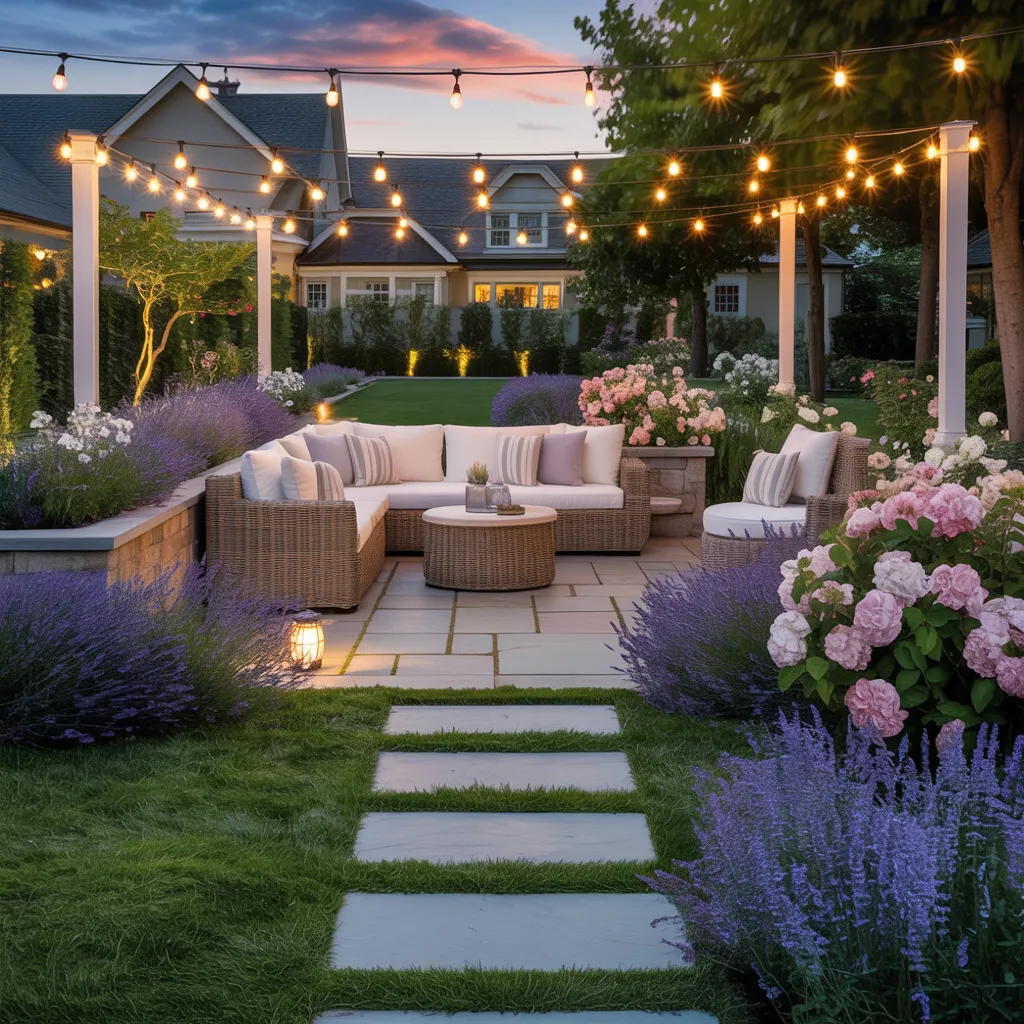
The Role of Curb Appeal in Determining Property Value
Curb appeal functions as the primary impression of a property, heavily affecting its market value. A well-maintained exterior appeals to interested buyers, commonly contributing to faster sales and better offers. Properties with inviting landscaping, fresh paint, and tidy walkways create a sense of warmth and care, suggesting that the interior is likely well-maintained. Conversely, overlooking curb appeal could diminish interest, prompting buyers to doubt the general upkeep of the property.
Studies show that houses with exceptional curb appeal can achieve a premium of nearly 10% over comparable homes with less visual appeal. Aspects like lush floral arrangements, carefully maintained turf, and attractive entryways have a substantial impact on this trend. Ultimately, investing in curb appeal can deliver impressive monetary rewards, positioning it as an important aspect for both property owners and real estate professionals when gauging the overall value of a home.
Key Elements of Successful Landscaping Design
Effective landscaping design incorporates various important elements that improve both practicality and visual appeal. A carefully planned layout, intentional plant selection, and eco-friendly water management are fundamental components that support a thriving outdoor space. These features collaborate to establish a well-integrated outdoor space that serves the interests of both property owners and the natural environment.
Functional Layout Design
A well-planned layout is essential for review this content achieving a harmonious and functional landscape design. Successful landscaping integrates pathways, seating areas, and focal points that direct movement and improve usability. The arrangement should balance open spaces with designated zones, allowing for both relaxation and interaction. Including components such as gardens, water elements, and lighting can establish visual interest while meeting practical needs. Additionally, accounting for the scale and proportions of elements ensures that they harmonize with the architecture of the property. An efficient layout also considers maintenance demands, making it more manageable to tend to the landscape over time. At its core, a deliberately planned layout improves the property's aesthetic appeal while enhancing its functionality for regular use.
Plant Selection Approach
Choosing the appropriate plants is essential for establishing a landscape that is both beautiful and sustainable. A well-planned approach to plant selection considers environmental factors, soil quality, and the particular attributes of the location. Local plant species are commonly favored due to their ability to thrive naturally and minimal upkeep needs. In addition, integrating diverse plant species guarantees ongoing aesthetic value and protection against common threats. Professionals recommend arranging plants by their specific water and sun preferences, creating a harmonious and efficient ecosystem. Additionally, evaluating the mature dimensions and growth tendencies of plants prevents overcrowding issues, allowing each plant to thrive. At its core, careful plant curation not only enhances aesthetic appeal but also supports local wildlife and promotes environmental health.
Responsible Water Management
Creating a outdoor space that excels while managing resources requires a commitment to sustainable water management. This method stresses the use of drought-resistant plants, which decrease water usage while maintaining visual attractiveness. Successful landscaping design integrates effective irrigation systems, such as drip irrigation or rainwater harvesting, to guarantee that water is distributed directly to plant roots, decreasing waste. Moreover, the inclusion of permeable surfaces permits rainwater to seep into the ground, refilling local aquifers. Landscape professionals can also apply mulch and soil amendments that boost moisture retention, additionally enhancing sustainability. By focusing on these strategies, property owners not only enhance their curb appeal but also promote environmental conservation, making sustainable water management an indispensable element of modern landscaping.
Cost-Effective Landscaping Ideas
Although sticking to a budget can be difficult, creative landscaping solutions can transform any outdoor space without spending a fortune. Straightforward strategies such as planting native flowers and shrubs can improve aesthetic appeal while requiring less maintenance. Using mulch not only retains soil moisture but also provides flower beds with a refined appearance. DIY projects, like constructing elevated garden beds or creating a rock pathway, can contribute original appeal at a significantly lower price than professional landscaping services.
Incorporating upcycled resources, such as vintage wooden pallets or decorative bricks, can significantly improve the yard without major costs. Furthermore, adding sun-powered landscape lights delivers both utility and beauty, establishing a cozy ambiance during after-dark events. Finally, regular lawn care, including cutting and bordering, can considerably enhance street-side attractiveness, making every home more attractive. By applying these economical strategies, property owners can achieve a stunning outdoor space that embodies their individual preferences and increases their property's market appeal.
Picking the Perfect Landscaping Service for You
Identifying the right landscaping service commences with a detailed assessment of individual landscaping needs. By understanding distinct requirements, clients can effectively compare the service packages of different companies. This careful evaluation guarantees that the selected service aligns with both expectations and budget.
Evaluate Your Landscaping Requirements
How can homeowners effectively assess their landscaping needs to find the right service? To begin, homeowners should take into account their property's distinctive characteristics, including size, terrain, and existing vegetation. Determining personal preferences and goals—whether the aim is to cultivate a peaceful garden, improve outdoor living areas, or increase curb appeal—is a critical step. Homeowners must also take into consideration their available budget and how much ongoing maintenance they are ready to take on. Drawing ideas from nearby properties, publications, or digital platforms can assist in sharpening their overall vision. Furthermore, speaking with acquaintances or neighbors who have previously hired landscaping professionals can offer helpful guidance. By understanding these factors, homeowners can better articulate their needs, ensuring they choose a landscaping service that aligns with their expectations and lifestyle.
Compare Service Offerings
What considerations should homeowners keep in mind when evaluating landscaping service options? To begin, they should assess the variety of services offered, including design, installation, and ongoing maintenance. Knowing whether a company concentrates on residential or commercial projects can help clarify the best option. Homeowners ought to review pricing models, confirming clarity in estimates and any possible extra charges. Additionally, reviewing customer testimonials and portfolios offers insight into the quality of work and customer satisfaction. It is important to ask about the expertise and credentials of the team, along with the incorporation of eco-friendly methods. In closing, reviewing the company's ability to communicate and respond in a timely manner can signal how attentively they will handle homeowner concerns across the project.
Care for Your Landscape Like an Expert
Managing a landscape like a professional calls for a thoughtful approach that balances aesthetics and functionality. Consistent upkeep practices, such as pruning, mowing, and mulching, are critical for enhancing the visual appeal of the outdoor space. Experts suggest developing a seasonal checklist to address the specific needs of every plant and section within the outdoor environment.
Watering routines need to be adjusted based on climate and plant type, ensuring that the landscape receives adequate hydration without overwatering. Furthermore, pest and weed management is vital; using organic options can protect the environment while maintaining plant health.
Soil quality serves a vital function in sustaining a vibrant landscape, requiring regular testing and soil improvements. Implementing eco-friendly practices, such as composting and using native plants, promotes enduring ecological balance. By adhering to these guidelines, homeowners can achieve a professionally maintained landscape that significantly improves the aesthetic value of their property.
How Renovations Boost Property Value
Upgrading a landscape does more than boost its aesthetic qualities, as it also serves a significant function in raising real estate value. Well-designed outdoor spaces capture the attention of potential homeowners, increasing a property's marketability. Research consistently indicates that homes with professionally landscaped gardens can experience a value boost of between 5% and 15%. Such improvements are frequently driven by superior design, increased usability, and stronger curb appeal.
Landscaping upgrades, including the introduction of native plants, hardscape elements, or exterior living areas, establish welcoming settings that resonate with buyers. Additionally, a properly maintained yard reduces maintenance costs and boosts energy conservation, attracting environmentally aware buyers.
Opting for professional landscaping services not only delivers instant aesthetic improvements but also functions as a calculated method for lasting property value growth. Ultimately, the right landscaping decisions can significantly impact a property's overall worth and appeal in a dynamic property marketplace.
Questions We Often Receive
What Is the Typical Duration of a Landscaping Project?
Most landscaping projects typically take between one to four weeks to complete, based on the overall scope and complexity involved. Factors like weather conditions, project size, and available resources can influence the overall timeline considerably.
What Plant Types Work Best in My Climate?
The most suitable types of plants for a climate are determined by regional temperature, moisture levels, and soil composition. Indigenous plants tend to flourish, while drought-tolerant species can be ideal for dry climates, promoting long-term sustainability and low upkeep.
Can Landscaping Reduce Energy Costs for My Home?
Strategic landscaping can greatly lower energy costs by carefully positioning trees and shrubs to create shade, deflecting wind and regulating temperature. This organic insulation decreases the need for heating and cooling systems, resulting in lower utility bills.
What Upkeep Is Needed After Landscaping Installation?
Once landscaping has been installed, ongoing maintenance encompasses watering, weeding, mulching, pruning, and fertilizing. Periodic seasonal tasks, such as pest control and winter preparation, are also necessary to guarantee the landscape continues to thrive and look its best.
Do We Offer Eco-Friendly Landscaping Solutions?
Eco-friendly landscaping options are indeed available. These options include native plants, drought-resistant gardens, rain gardens, and organic mulch. Such options support biodiversity, conserve water, and limit chemical use, offering benefits to both the environment and the visual appeal of the property.